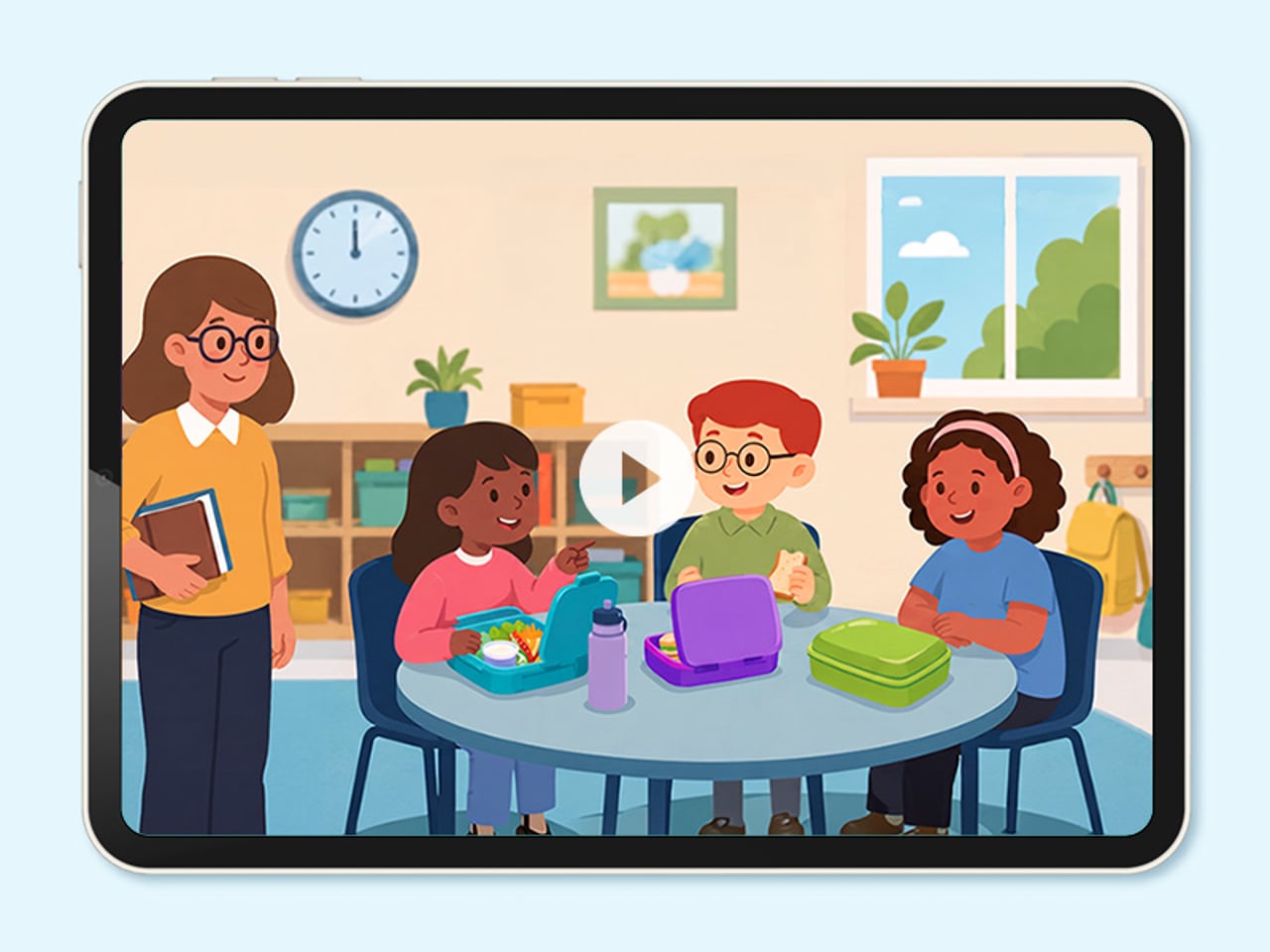
Many things can affect how much, whether or what a student eats at school. Some are obvious, while others are harder to see.
A student may eat less because of timing, distractions, noise, social dynamics, a busy transition, short eating periods, difficulty opening containers or packaging, or because the food is a different temperature or texture than they prefer.
Neurodivergent students may also have sensory preferences, routines or support needs that affect how eating feels at school. Access to food matters too. What students bring to school is shaped by many factors, including family resources, culture, traditions, time, taste preferences and what is available that day.
When children refuse food, it makes sense that adults may feel worried or concerned. We know that how students feel can affect how they eat, and how they eat can affect how they feel.